“Coffee berries” search results (5500)
The latest introduction to the treatment of coffee raw beans
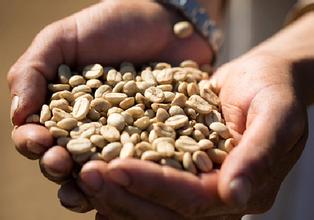
Raw coffee beans are the seeds of coffee trees. It is the wealth hidden in coffee cherries (coffee berries) that people usually call coffee cherries. They are mistakenly called beans because they are similar to the beans we usually see, but they are actually the seeds of coffee. Usually there are two flat oval coffee beans in the coffee berries, and there is only one in a few coffee berries.
2015-12-10 Boutique coffee raw beans latest introduction treatment methods seeds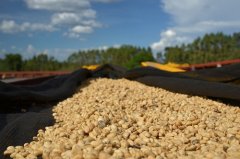
The processing steps of coffee beans how to deal with raw coffee beans
When the coffee berries are ripe, they are usually harvested by manual picking. In some places, only the fully ripe berries are picked, while others are all picked from a single branch. The former is called handpicked and the latter is called strip-picking. Because the ripening time of coffee berries is not consistent, the harvest is likely to be divided into several stages.
2016-03-28 Coffee beans processing steps coffee raw beans how berries ripe usually
The process of processing raw coffee beans the price of Alishan Mazu coffee
Process Editor when the coffee berries are ripe, they are usually harvested by manual picking, in some places only the fully ripe berries are picked, and in others all the coffee berries are picked from a branch. The former is called handpicked and the latter is called strip-picking. Because the ripening time of coffee berries is not consistent, so there is a good harvest.
2016-06-07 Coffee raw beans processing process Alishan marsh price editing
Coffee bean picking-berry treatment-drying
The coffee beans we are talking about are actually the seeds of a fruit similar to cherries.
2014-06-14 Coffee knowledge coffee bean picking coffee encyclopedia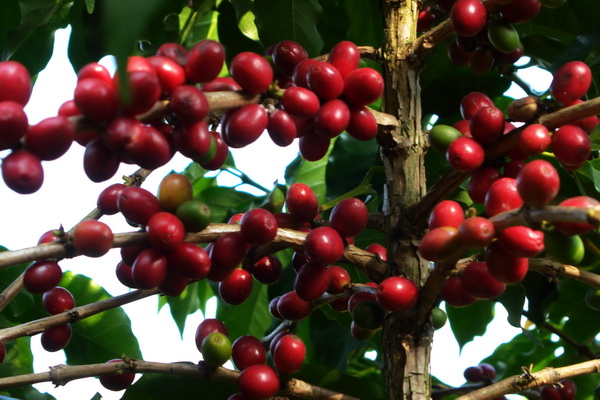
The popularity of coffee common sense coffee beans coffee tree round beans (round beans) peaberry coffee berries
Coffee tree belongs to Rubiaceae of Rubiaceae, which is a shrub or small tree. It is native to subtropical Africa or Asia. The seeds in its berries are the main raw materials of coffee. Commercially, the seeds of coffee are called coffee beans (coffee bean). There are many different species in the genus Coffea, about 25-40 species, of which Arabica (Cof) is widely cultivated.
2016-07-12 Coffee Common sense Popularization Coffee beans Round beans peaberry for short
Introduction to the treatment process of raw coffee beans Coffee trees bear fruit several times a year
When the coffee berries are ripe, they are usually harvested by manual picking. In some places, only the fully ripe berries are picked, while others are all picked from a single branch. The former is called handpicked and the latter is called strip-picking. Because the ripening time of coffee berries is not consistent, the harvest is likely to be divided into several stages.
2016-07-11 Coffee raw beans treatment process introduction structure several times a year coffee berries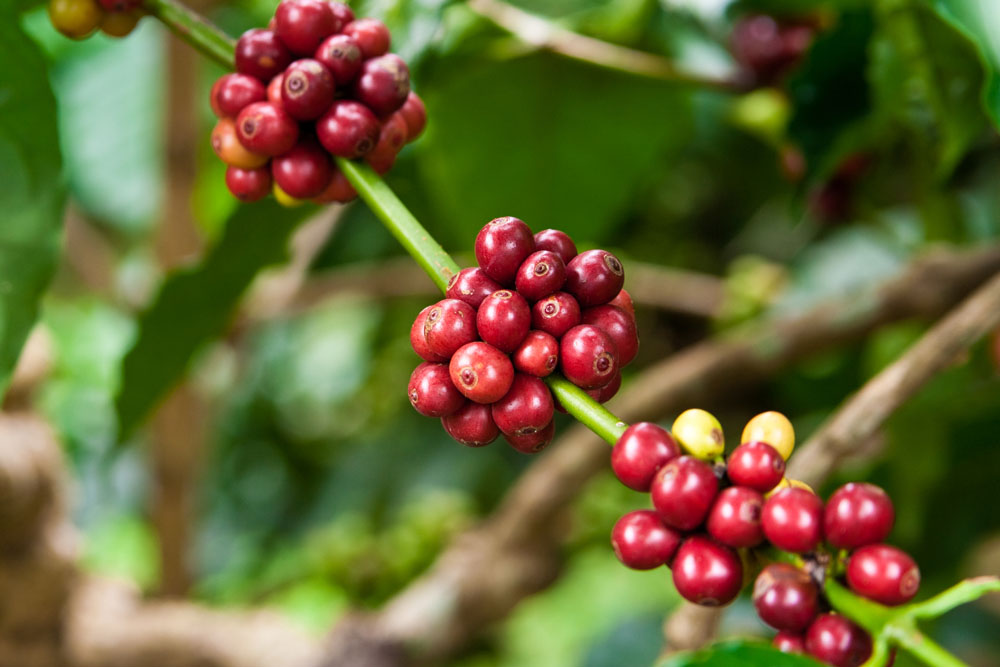
Honey kiss 90 + Essel nectar and berry flavor sun treatment
Nekisse N2 L12 Ethiopia Nekisse N2 Taste Profile Nekisse N2 Taste Profile got its name from Nectar from Shakisso in 2009, meaning it has the same flavor as nectar from Shaqiso Town, Hidamo Province, Ethiopia. Nekisse is characterized by a creamy, smooth taste and intense berries
2016-07-29 Honey kiss ninety Ethiopia nectar berry flavor sun treatment Nekiss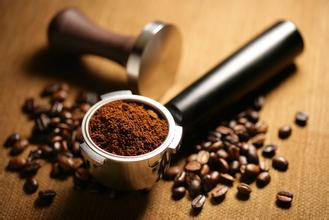
How to pick and handle coffee beans how to make good siphon coffee
The natural drying method sends the picked berries to the drying plant, which will be classified according to the degree of maturity, as the basis for the time and degree of exposure in the sun. Generally, overripe berries take only 1-3 days, red berries take 5-6 days, and green unripe berries take 1-2 weeks. After sun treatment, the dried fruit needs to go through the sheller to remove the peel, pulp and silver skin.
2016-06-08 Coffee beans picking handling way how make delicious siphon coffee nature
A brief History of Coffee
Coffee was first found in present-day East Africa Ethiopia. The popular saying is that a shepherd named Kaldi found that the goat was agile after eating a kind of berry. Out of curiosity, Kaldi tried to eat a little himself. He found the berries refreshing him. This energetic berry soon became well known in this area. Coffee was first disco
2014-07-25 A brief history of coffee coffee history coffee culture
Steps of wet treatment of coffee after picking
As the harvest season is almost over, I would like to add an overview of the coffee processing process. In this blog post, I will introduce to you the steps of wet treatment in Yunnan after coffee picking. After harvest, the berries are either sent directly to the pulp collector (if the harvest is done well), or concentrated in a siphon tank filled with water. The berries are here.
2014-08-05 Coffee picking later processing step harvest season right away over here
Explain the steps of wet treatment after coffee picking
As the harvest season is almost over, I would like to add an overview of the coffee processing process. In this blog post, I will introduce to you the steps of wet treatment in Yunnan after coffee picking. After harvest, the berries are either sent directly to the pulp collector (if the harvest is done well), or concentrated in a siphon tank filled with water. The berries are here.
2014-12-16 Coffee picking later processing steps explanation harvest season right away over.
Wet Processing of Yunnan Coffee Bean
We all know that there are two main types of coffee bean processing: dry processing and wet processing. This blog post has a detailed introduction from coffee trees to coffee. Next, let's look at the wet processing of Yunnan coffee beans. After harvesting, the berries are either sent directly to the pulp collector (in the case of a good harvest) or concentrated in a siphon tank filled with water. Berries in this
2014-09-10 Yunnan coffee beans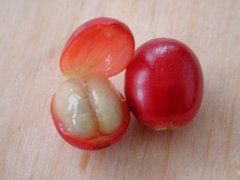
The structure of coffee beans what are coffee beans like
The structure of the berry from the outside to the inside is the pericarp: the pericarp of the berry is tight and thick, which can bite through the fruit: mainly water and sugar, the fruit of the berry accounts for almost 80% of the coffee harvest and is often reused by the fertilizer mucus of the coffee producing area: a sweet, sticky, honey-like substance that covers the skin of the coffee bean: a thin white sheepskin paper layer, similar to peanuts.
2016-06-12 Coffee beans structure how berries internal division don't peel can bite
How to treat Yunnan coffee beans
As harvest season draws to a close, I would like to add an overview of the coffee processing process. In this blog post, I will introduce you to the wet processing steps after coffee picking in Yunnan. After harvest, the berries are either sent directly to a pulp collector (if the harvest is done well) or collected in a siphon tank filled with water. Berries are here.
2016-05-25 Yunnan coffee beans how processing wet planing harvest season immediately passed in
Treatment methods of coffee beans after picking wet treatment steps
As the harvest season is almost over, I would like to add an overview of the coffee processing process. In this blog post, I will introduce to you the steps of wet treatment in Yunnan after coffee picking. After harvest, the berries are either sent directly to the pulp collector (if the harvest is done well), or concentrated in a siphon tank filled with water. The berries are here.
2015-03-24 Coffee beans picking after treatment methods steps harvest season right away past
Step Analysis of Wet treatment of Coffee after picking
As the harvest season is almost over, I would like to add an overview of the coffee processing process. In this blog post, I will introduce to you the steps of wet treatment in Yunnan after coffee picking. After harvest, the berries are either sent directly to the pulp collector (if the harvest is done well), or concentrated in a siphon tank filled with water. The berries are here.
2015-05-11 Coffee picking later processing steps analysis harvest season right away over.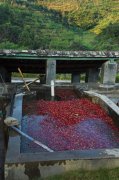
Wet treatment methods and steps of Yunnan coffee beans
As the harvest season is almost over, I would like to add an overview of the coffee processing process. In this blog post, I will introduce to you the steps of wet treatment in Yunnan after coffee picking. After harvest, the berries are either sent directly to the pulp collector (if the harvest is done well), or concentrated in a siphon tank filled with water. The berries are here.
2014-07-09 Yunnan coffee beans wet treatment of coffee beans Yunnan small coffee beans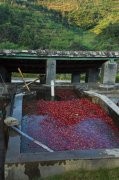
Wet treatment methods and steps of Yunnan coffee beans
As the harvest season is almost over, I would like to add an overview of the coffee processing process. In this blog post, I will introduce to you the steps of wet treatment in Yunnan after coffee picking. After harvest, the berries are either sent directly to the pulp collector (if the harvest is done well), or concentrated in a siphon tank filled with water. The berries are here.
2014-07-09 Yunnan coffee beans wet treatment of coffee beans Yunnan small coffee beans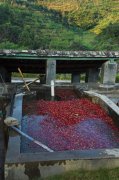
Wet treatment methods and steps of Yunnan coffee beans
As the harvest season is almost over, I would like to add an overview of the coffee processing process. In this blog post, I will introduce to you the steps of wet treatment in Yunnan after coffee picking. After harvest, the berries are either sent directly to the pulp collector (if the harvest is done well), or concentrated in a siphon tank filled with water. The berries are here.
2015-06-06 Yunnan coffee beans processing steps harvest season right away over here make up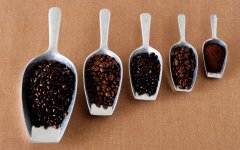
90 + Ethiopia Wellega (Waliga) and Sidama (Hidamo) producing areas. Nectar and berries
Origin of the name: in 2009, the coffee was named after Nectar from Shakisso, meaning it has the same flavor as nectar from the town of Shachiso in Hidamo province, Ethiopia. Nekisse is characterized by a creamy and smooth taste, a strong berry sauce, and some batches even have mixed flavors of citrus and a variety of tropical fruits. Although it was originally produced in Shakisso
2016-07-11 Ninety Ethiopia Wellega Wally Sidama Hilda production area